CRM Strategies for Small Businesses: Build Strong Customer Relationships and Increase Sales in 2026
Building strong customer relationships has become one of the most important factors for business success. Customers today have more choices than ever, which means businesses must provide better experiences, faster communication, and personalized services.
For small businesses, managing customer relationships manually can become difficult as the number of customers grows. Important information can be lost, follow-ups can be missed, and sales opportunities can disappear.
This is where Customer Relationship Management (CRM) strategies help.
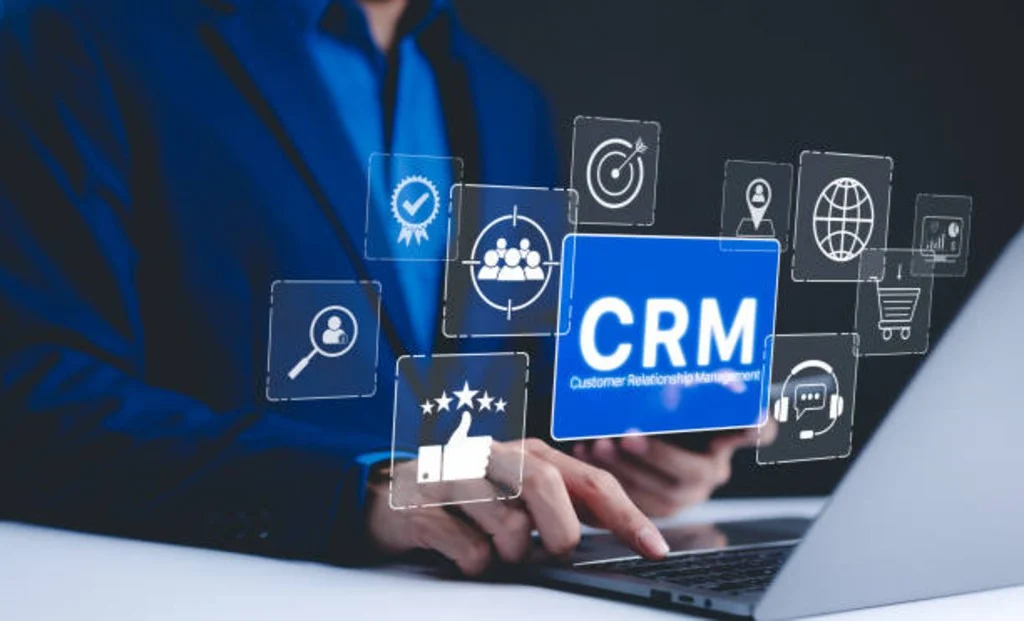
CRM allows businesses to organize customer information, improve communication, manage sales processes, and create stronger relationships with customers.
In 2026, CRM software is no longer only for large companies. Small businesses are increasingly using CRM solutions to compete, improve productivity, and increase revenue.
This guide explains the best CRM strategies for small businesses and how companies can use customer relationship management tools to achieve sustainable growth.
What Is Customer Relationship Management (CRM)?
Customer Relationship Management (CRM) is a business approach that focuses on managing interactions between a company and its customers.
CRM combines:
- Customer data
- Sales information
- Communication history
- Marketing activities
- Customer support records
A CRM system helps businesses understand customers better and provide more personalized experiences.
Instead of storing customer information in different places, businesses can manage everything through one centralized platform.
Why CRM Is Important for Small Businesses
Many small businesses struggle with customer management because they rely on spreadsheets, emails, or manual processes.
As a business grows, these methods become inefficient.
CRM software helps small businesses:
- Organize customer information
- Track sales opportunities
- Improve follow-up processes
- Increase customer retention
- Automate repetitive tasks
- Make better business decisions
A strong CRM strategy allows small companies to create professional customer experiences similar to larger organizations.
Benefits of CRM Software for Small Businesses
1. Better Customer Organization
One of the biggest advantages of CRM software is keeping customer information organized.
Businesses can store:
- Customer names
- Contact details
- Purchase history
- Communication records
- Preferences
- Sales activity
Having complete customer information helps businesses provide better service.
2. Improved Sales Management
Sales teams often lose opportunities because they forget follow-ups or fail to track potential customers.
CRM systems help manage the entire sales process.
Businesses can:
- Track leads
- Monitor sales pipelines
- Schedule follow-ups
- Analyze sales performance
- Identify opportunities
A well-managed sales pipeline improves conversion rates and increases revenue.
3. Personalized Customer Communication
Modern customers expect personalized experiences.
CRM software allows businesses to understand customer needs and communicate more effectively.
Personalization can include:
- Customized emails
- Product recommendations
- Special offers
- Customer reminders
Personalized communication helps build trust and customer loyalty.
4. Increased Customer Retention
Keeping existing customers is often more profitable than constantly finding new ones.
CRM strategies help businesses improve retention by:
- Tracking customer satisfaction
- Sending follow-up messages
- Identifying customer needs
- Providing better support
Happy customers are more likely to return and recommend your business.
Essential CRM Strategies for Small Businesses
1. Create a Complete Customer Database
The foundation of a successful CRM strategy is accurate customer information.
Businesses should collect and organize important details such as:
- Customer contact information
- Previous purchases
- Communication history
- Customer preferences
A complete database allows businesses to create better customer experiences.
2. Automate Customer Follow-Ups
Following up with customers is essential for sales success.
However, manual follow-ups can be time-consuming.
CRM automation helps businesses:
- Send reminder emails
- Follow up with leads
- Schedule appointments
- Notify sales teams
Automation ensures that no important opportunity is missed.
3. Segment Customers
Not all customers have the same needs.
Customer segmentation allows businesses to divide customers into groups based on:
- Buying behavior
- Interests
- Location
- Purchase history
Businesses can then create targeted marketing campaigns that produce better results.
4. Improve Customer Support
Customer support plays an important role in building loyalty.
CRM systems help support teams:
- Access customer history
- Respond faster
- Track complaints
- Provide better solutions
When customers receive quick and helpful support, they develop stronger trust in the brand.
Use CRM Automation to Improve Business Efficiency
Automation is one of the biggest advantages of modern CRM systems.
Small businesses often have limited employees, which makes it difficult to manually manage every customer interaction. CRM automation helps businesses complete repetitive tasks faster and more accurately.
CRM automation can help with:
- Sending welcome emails
- Scheduling customer follow-ups
- Updating customer records
- Creating sales reports
- Assigning leads to sales teams
- Sending personalized offers
For example, when a customer fills out a contact form on a website, a CRM system can automatically save the information, send a confirmation message, and notify the sales team.
This creates a faster and more professional customer experience.
How Artificial Intelligence Is Changing CRM
Artificial Intelligence (AI) is becoming an important part of CRM technology in 2026.
AI-powered CRM systems help businesses understand customers better and make smarter decisions.
AI can assist with:
Predicting Customer Behavior
AI analyzes customer activity and predicts future actions.
Businesses can understand:
- Which customers are likely to buy
- Which customers may leave
- Which products customers may prefer
This helps companies create better marketing and sales strategies.
AI Customer Support
AI chatbots can answer common customer questions instantly.
They can provide:
- Product information
- Order updates
- Basic troubleshooting
- Appointment scheduling
This allows businesses to provide support 24/7 while reducing workload.
Sales Recommendations
AI can analyze sales data and suggest the best actions for sales teams.
For example:
- Which leads need follow-up
- Which customers are ready to purchase
- Which products have higher demand
These insights help sales teams work more efficiently.
Best CRM Features Small Businesses Should Look For
Choosing the right CRM software is important because every business has different requirements.
A good CRM platform should include:
Contact Management
The CRM should store and organize customer information in one place.
Businesses should easily access:
- Customer details
- Purchase history
- Communication records
- Notes
Sales Pipeline Management
A sales pipeline helps businesses understand where customers are in the buying process.
Important features include:
- Lead tracking
- Deal management
- Sales forecasting
- Opportunity tracking
Email Integration
Email integration allows businesses to manage customer communication directly from the CRM system.
Benefits include:
- Faster responses
- Better organization
- Automated campaigns
Reporting and Analytics
Business decisions should be based on data.
CRM reports help analyze:
- Sales performance
- Customer activity
- Marketing results
- Revenue growth
Mobile Access
Many business owners and sales teams work remotely.
A mobile-friendly CRM allows users to:
- Check customer information
- Update deals
- Respond to customers
- Monitor sales activities
How to Choose the Right CRM Software for Your Business
Selecting CRM software requires careful planning.
Before choosing a platform, consider these factors:
Understand Your Business Needs
First identify your goals.
Ask:
- Do you need better sales management?
- Do you want customer support improvement?
- Do you need marketing automation?
- How many users will use the system?
Understanding your requirements makes the selection process easier.
Consider Your Budget
CRM solutions are available at different price levels.
Small businesses should choose software that provides important features without unnecessary expenses.
The goal is to improve efficiency and increase revenue, not create extra costs.
Check Integration Options
A CRM should work with existing business tools.
Useful integrations include:
- Email platforms
- Accounting software
- Marketing tools
- Website systems
- Customer support platforms
Good integration creates a smoother workflow.
Common CRM Mistakes Small Businesses Should Avoid
Although CRM provides many benefits, businesses often make mistakes when implementing it.
1. Not Training Employees
A CRM system is only useful when employees know how to use it properly.
Businesses should provide training so teams understand:
- How to update information
- How to manage leads
- How to track customer interactions
2. Collecting Poor Quality Data
Incorrect customer information can reduce CRM effectiveness.
Businesses should maintain accurate data by:
- Updating records regularly
- Removing duplicate information
- Checking customer details
Clean data leads to better decisions.
3. Using CRM Only as a Database
Many businesses only use CRM software to store customer information.
However, CRM can do much more.
Businesses should use features like:
- Automation
- Analytics
- Customer segmentation
- Sales tracking
to get maximum value.
4. Ignoring Customer Feedback
Customer feedback is valuable for improving products and services.
CRM systems can help collect and organize feedback from:
- Surveys
- Reviews
- Support requests
Listening to customers helps businesses improve their overall experience.
CRM and Customer Retention Strategy
CRM plays an important role in customer retention.
A strong CRM strategy helps businesses:
- Understand customer needs
- Provide personalized communication
- Reward loyal customers
- Identify customer problems early
Customers who feel valued are more likely to continue doing business with a company.
Future of CRM Technology in 2026 and Beyond
CRM technology will continue evolving as businesses adopt more advanced solutions.
Important future trends include:
AI-Powered CRM Systems
AI will continue improving customer predictions, automation, and decision-making.
Voice-Based CRM Management
Businesses may increasingly use voice assistants to update customer records and manage tasks.
Advanced Customer Analytics
Future CRM platforms will provide deeper insights into customer behavior and business performance.
More Affordable CRM Solutions
As competition increases, more affordable CRM tools will become available for small businesses.
Frequently Asked Questions
What is CRM in business?
CRM stands for Customer Relationship Management. It is a system used to manage customer information, communication, sales activities, and relationships.
Why do small businesses need CRM software?
Small businesses use CRM software to organize customers, improve sales, automate tasks, and create better customer experiences.
Can CRM increase sales?
Yes. CRM helps businesses manage leads, improve follow-ups, understand customers, and increase conversion rates.
Is CRM expensive for small businesses?
Many CRM solutions offer affordable plans designed specifically for small businesses. Companies can start with basic features and upgrade as they grow.
What is the best CRM strategy?
The best CRM strategy includes maintaining accurate customer data, personalizing communication, automating follow-ups, and focusing on customer satisfaction.
Conclusion
CRM strategies have become essential for small businesses that want to grow in a competitive digital marketplace. Managing customer relationships effectively helps businesses increase sales, improve customer loyalty, and create long-term success.
A modern CRM system allows small companies to organize customer information, automate repetitive tasks, and provide personalized experiences.
In 2026, businesses that invest in CRM technology will have a major advantage because customers increasingly expect faster service, better communication, and more personalized interactions.
The key is choosing the right CRM solution, training employees properly, and using customer data responsibly.
When implemented correctly CRM is not just software it becomes a powerful business growth strategy that helps companies build stronger relationships and achieve sustainable revenue growth.