The Ultimate Guide to Sales Software: Choosing the Right Tools for Business Growth in 2026
Growing a business requires more than just finding new customers. Companies need efficient systems to manage leads, track sales opportunities, communicate with prospects, and improve customer relationships.
As businesses become more digital, traditional sales methods are no longer enough. Sales teams need modern technology that helps them work faster and make smarter decisions.
This is where sales software becomes important.
Sales software provides businesses with tools to manage the complete sales process, from finding potential customers to closing deals and maintaining relationships.
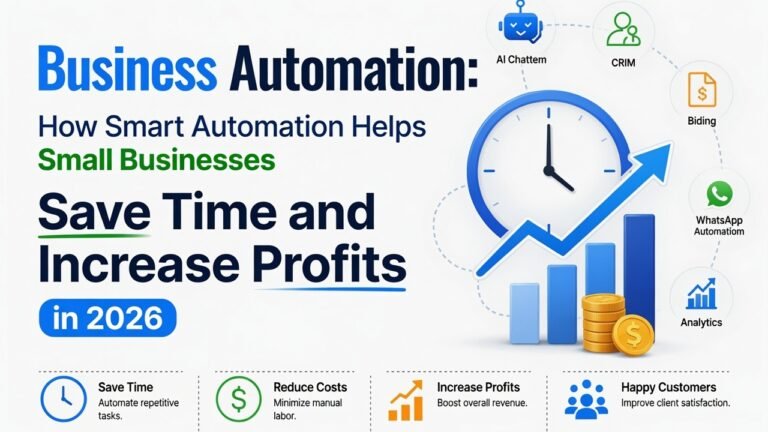
In 2026, companies of all sizes are using sales software to increase productivity, reduce manual work, and improve revenue growth.
Whether you run a small business, startup, or growing company, the right sales software can help you build a more organized and successful sales system.
What Is Sales Software?
Sales software is a technology solution designed to help businesses manage and improve their sales activities.
It helps sales teams organize customer information, track leads, automate tasks, and analyze performance.
Common sales software features include:
- Lead management
- Customer tracking
- Sales pipeline management
- Email automation
- Reporting and analytics
- Forecasting
- Communication tools
Instead of managing sales activities through spreadsheets and manual processes, businesses can use software to create a more efficient workflow.
Why Sales Software Is Important for Businesses
Modern customers expect fast responses and personalized experiences.
Sales teams must manage many activities at the same time, including:
- Finding new prospects
- Following up with leads
- Preparing proposals
- Tracking customer conversations
- Closing deals
Without proper tools, important opportunities can easily be missed.
Sales software helps businesses:
- Improve sales organization
- Increase productivity
- Reduce administrative tasks
- Improve customer communication
- Make data-driven decisions
- Increase conversion rates
Benefits of Using Sales Software
1. Better Lead Management
Managing leads effectively is one of the biggest challenges for businesses.
Sales software helps companies organize potential customers and track their progress.
Businesses can:
- Store lead information
- Prioritize valuable prospects
- Schedule follow-ups
- Track customer interactions
This ensures that sales teams focus on the right opportunities.
2. Automates Repetitive Sales Tasks
Sales professionals often spend significant time on administrative tasks.
Sales automation reduces manual work by handling activities such as:
- Sending follow-up emails
- Updating customer records
- Creating reports
- Scheduling reminders
Automation allows sales teams to spend more time building relationships and closing deals.
3. Improves Sales Team Productivity
A productive sales team needs access to accurate information.
Sales software provides a centralized platform where teams can view:
- Customer details
- Sales history
- Current opportunities
- Team performance
This improves collaboration and helps employees work more efficiently.
4. Provides Better Sales Insights
Successful businesses make decisions based on data.
Sales software provides analytics about:
- Revenue performance
- Sales trends
- Customer behavior
- Team productivity
- Conversion rates
These insights help businesses identify problems and improve their sales strategy.
Types of Sales Software
Different businesses require different sales solutions.
The most common types include:
Customer Relationship Management (CRM) Software
CRM software is one of the most popular sales solutions.
It helps businesses manage:
- Customer information
- Sales opportunities
- Communication history
- Customer relationships
CRM systems are useful for businesses that want better customer management.
Sales Automation Software
Sales automation tools help businesses reduce manual tasks.
They can automate:
- Lead follow-ups
- Email campaigns
- Sales notifications
- Customer reminders
This improves efficiency and saves valuable time.
Lead Management Software
Lead management software focuses on finding and organizing potential customers.
It helps businesses:
- Capture leads
- Score prospects
- Track engagement
- Improve conversions
Sales Analytics Software
Sales analytics tools help businesses understand performance.
They provide information about:
- Sales results
- Revenue forecasts
- Market trends
- Customer behavior
Important Features to Look for in Sales Software
Choosing the right sales software requires understanding important features.
Lead Tracking
A good sales platform should make it easy to monitor leads from the first interaction until the final purchase.
Sales Pipeline Management
Sales pipeline management helps businesses understand where each customer is in the buying process.
It allows teams to track:
- New opportunities
- Active deals
- Pending negotiations
- Closed sales
Email Integration
Email integration helps sales teams communicate faster and maintain organized conversations.
Useful features include:
- Email templates
- Automated messages
- Follow-up reminders
Reporting and Analytics
Reporting features help businesses measure success.
Important reports include:
- Sales performance
- Revenue growth
- Conversion rates
- Team productivity
Mobile Accessibility
Sales teams often work outside the office.
Mobile access allows employees to:
- Update customer information
- Check deals
- Respond quickly
- Manage sales activities anywhere
How to Choose the Right Sales Software for Your Business
Choosing the right sales software can have a major impact on business growth. However, selecting a tool without understanding your business needs can create unnecessary costs and complexity.
Before investing in sales software, consider these important factors:
1. Understand Your Sales Process
Every business has a different sales process.
Before choosing software, analyze:
- How do you currently manage leads?
- How does your team communicate with customers?
- Where are sales opportunities getting lost?
- Which tasks take the most time?
Understanding your current workflow helps you choose software that solves real problems.
2. Consider Your Business Size
Small businesses and large companies often need different solutions.
A small business may need:
- Basic CRM features
- Lead tracking
- Email automation
- Simple reporting
A larger company may require:
- Advanced analytics
- Team management
- Custom workflows
- Enterprise integrations
Choose software that matches your current needs but can also grow with your business.
3. Check Integration Options
Sales software should work smoothly with your existing tools.
Important integrations include:
- Email platforms
- Customer support systems
- Accounting software
- Marketing automation tools
- Website platforms
Good integration creates a connected business system and reduces manual work.
4. Focus on Ease of Use
The best sales software is not always the one with the most features.
If a tool is difficult to use, employees may avoid using it.
Look for software that provides:
- Simple interface
- Easy setup
- Good customer support
- Training resources
User-friendly software improves adoption and productivity.
Sales Software for Small Businesses
Small businesses often have limited resources, making efficiency extremely important.
Sales software helps small companies compete by providing tools that were previously available only to larger organizations.
Small businesses can use sales software to:
- Manage customer relationships
- Track potential buyers
- Automate communication
- Improve sales forecasting
- Increase revenue
Instead of spending hours managing spreadsheets, business owners can focus on attracting customers and growing their company.
How AI Is Transforming Sales Software
Artificial Intelligence (AI) is changing the way businesses manage sales.
Modern sales platforms are using AI to improve decision-making and automate complex tasks.
AI Lead Scoring
AI can analyze customer behavior and identify the leads most likely to convert.
It considers factors such as:
- Website activity
- Previous interactions
- Purchase history
- Customer engagement
This allows sales teams to focus their efforts on high-value opportunities.
AI Sales Predictions
AI-powered sales software can forecast future revenue based on historical data.
Businesses can use these predictions to:
- Plan resources
- Set realistic goals
- Improve sales strategies
AI-Powered Customer Recommendations
AI can analyze customer needs and suggest:
- Relevant products
- Best offers
- Follow-up timing
This creates more personalized sales experiences.
Common Sales Software Mistakes Businesses Should Avoid
Although sales software provides many benefits, businesses should avoid common mistakes.
1. Choosing Software Without Research
Some businesses select tools because they are popular, not because they fit their needs.
Always compare:
- Features
- Pricing
- Reviews
- Integration options
- Scalability
2. Not Training Sales Teams
Even the best software will fail if employees do not know how to use it.
Businesses should provide training on:
- Managing leads
- Updating customer information
- Using automation features
- Understanding reports
Proper training improves results.
3. Ignoring Data Quality
Sales software depends on accurate information.
Incorrect customer data can create problems such as:
- Wrong reports
- Missed opportunities
- Poor communication
Businesses should regularly update and clean customer information.
4. Automating Too Much
Automation is useful, but businesses should maintain a human connection.
Customers still appreciate:
- Personal conversations
- Professional advice
- Quick problem-solving
The best sales strategy combines automation with human interaction.
How Sales Software Improves Revenue Growth
The main goal of sales software is not just organization. It is helping businesses generate more revenue.
Sales software improves growth by:
- Increasing sales efficiency
- Improving customer follow-ups
- Reducing lost opportunities
- Helping teams close deals faster
- Improving customer relationships
When sales processes become organized, businesses can achieve more consistent results.
Future Trends in Sales Software
Sales technology will continue developing rapidly.
Important future trends include:
More Advanced AI Sales Assistants
AI assistants will help sales teams with:
- Customer research
- Email writing
- Meeting preparation
- Sales recommendations
Predictive Sales Analytics
Future systems will provide deeper insights into customer behavior and market opportunities.
Increased Automation
More sales activities will become automated, including:
- Lead qualification
- Customer communication
- Reporting
Better Integration Between Business Tools
Sales software will become more connected with marketing, customer support, and financial systems.
This will create a complete business ecosystem.
Frequently Asked Questions
What is sales software?
Sales software is a digital tool that helps businesses manage leads, customers, sales activities, and revenue processes.
Why do businesses need sales software?
Businesses use sales software to improve productivity, organize customer information, automate tasks, and increase sales performance.
Is sales software useful for small businesses?
Yes. Small businesses can use sales software to manage customers better, save time, and compete with larger companies.
What is the difference between CRM and sales software?
CRM focuses mainly on managing customer relationships, while sales software includes CRM features along with sales automation, pipeline management, and analytics tools.
Can sales software increase revenue?
Yes. By improving follow-ups, organizing sales processes, and helping teams make better decisions, sales software can contribute to higher revenue.
Conclusion
Sales software has become an essential technology solution for businesses that want to grow in 2026. Managing sales manually is no longer enough in a competitive digital marketplace.
The right sales software helps companies organize customer information, improve lead management, automate repetitive tasks, and increase sales efficiency.
For small businesses, these tools provide the ability to compete with larger companies by creating professional and efficient sales processes.
However, success depends on choosing the right software, training employees, maintaining accurate data, and using automation strategically.
As artificial intelligence and business technology continue evolving, sales software will become even more powerful. Companies that adopt modern sales solutions today will be better prepared for future growth and long-term success.